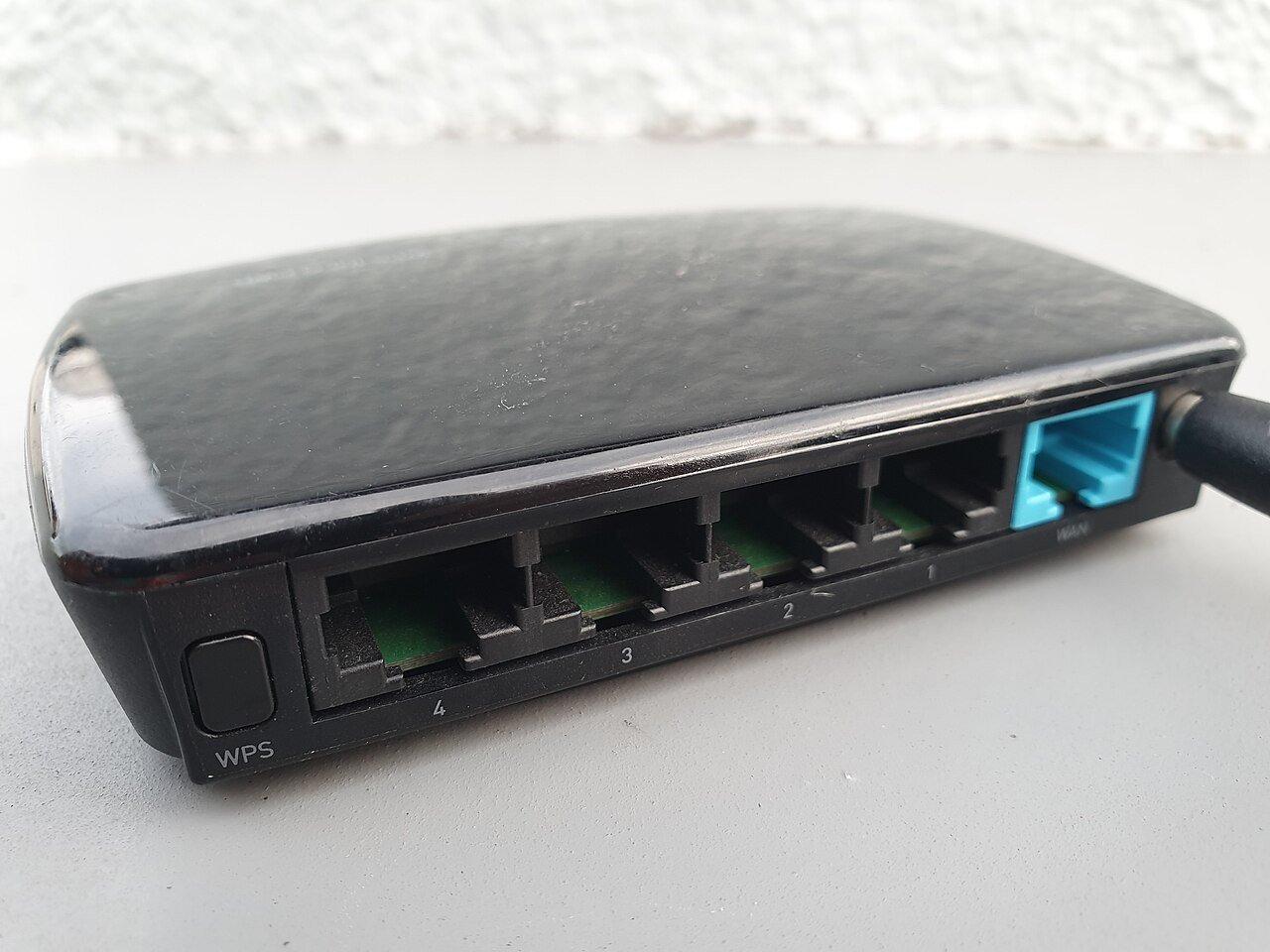
When you sign up for home internet service, your provider almost always offers to rent you a router, usually combined with the modem in a single gateway device. It is convenient, but is it actually the best choice? Here is an honest look at the tradeoffs between using your internet provider’s equipment and buying your own router.
The Case for Your ISP’s Router
Convenience
There is genuine appeal to simplicity. The provider’s technician sets it up, it is pre-configured to work with their network, and if something goes wrong, their support team handles the troubleshooting without you needing to figure out whose equipment is at fault.
Automatic Updates
Many providers push firmware and security updates directly to their rented equipment without you needing to do anything, which can be a genuine convenience for less tech-savvy households.
The Case for Buying Your Own
Long-Term Cost Savings
Most providers charge an ongoing monthly rental fee for their equipment. Over a year or two, that fee often adds up to well more than the cost of simply buying a quality router outright, after which you own it with no further monthly charge.
Better Performance and Features
Provider-supplied gateways are designed for broad compatibility and low support costs across millions of customers, not for cutting-edge performance. A router you choose yourself typically offers better range, more advanced Quality of Service controls, more robust parental controls, and generally stronger overall Wi-Fi performance.
More Control
Owning your router gives you full access to its settings, including advanced configuration options that many ISP gateways deliberately lock away from customers to simplify support calls.
Flexibility When Switching Providers
A router you own works independently of your internet provider. If you switch services, you can usually keep using the same router, whereas a rented gateway must be returned.
When Sticking With the ISP Router Makes Sense
- You strongly prefer the simplest possible setup and support experience
- Your provider’s bundled equipment fee is minimal or already included at no extra charge
- You do not want to deal with any technical configuration at all
When Buying Your Own Makes Sense
- You are paying a noticeable monthly rental fee
- You want better Wi-Fi performance and coverage
- You value more advanced features and configuration control
- You plan to keep your internet service, or switch providers, for more than a year or two
Important: Check Compatibility First
Before buying your own router, confirm with your provider whether you need to keep their modem and simply add your own router behind it, or whether a combined modem-router unit of your own choosing is fully compatible with their network, particularly for cable or fiber connections which sometimes have specific requirements.
Final Thoughts
For most households planning to stay with an internet provider longer than a year, buying your own router typically pays for itself through eliminated rental fees while also delivering noticeably better performance. The ISP’s router remains a reasonable choice mainly for those who prioritize absolute simplicity over cost savings and performance.