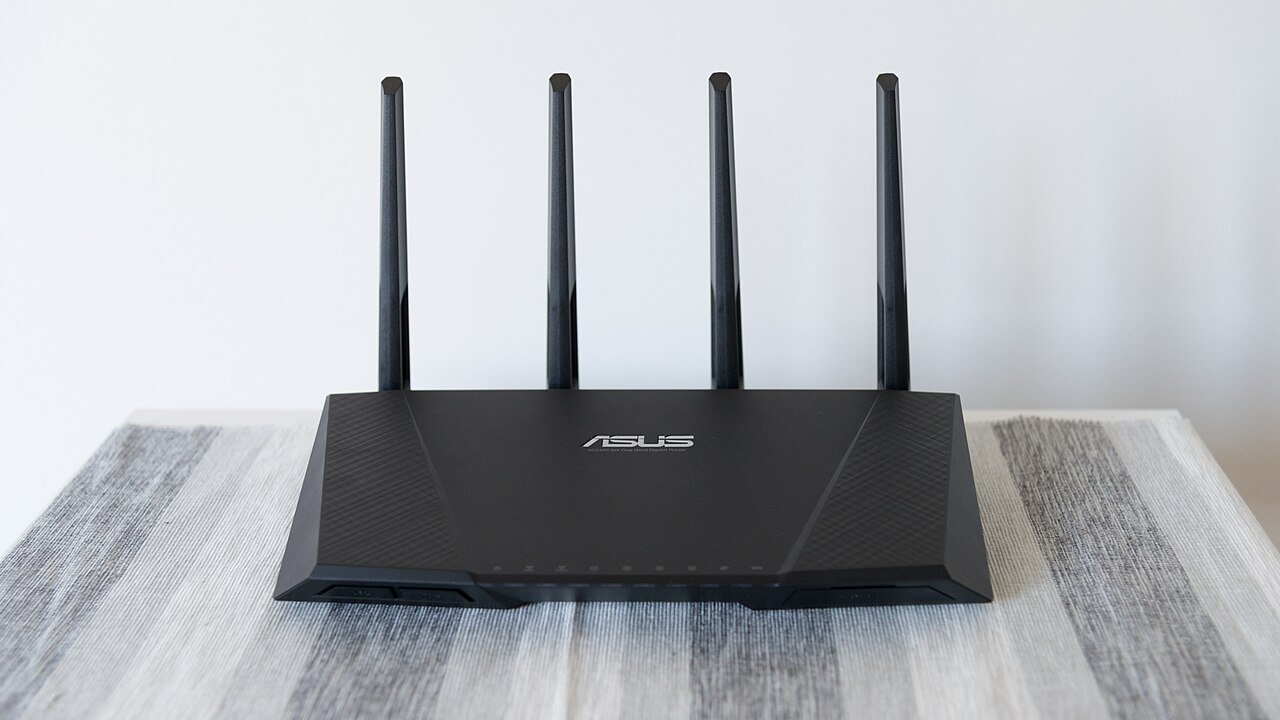
Shopping for a new router today almost always means running into two similar-sounding labels: Wi-Fi 6 and Wi-Fi 6E. They share most of their name and much of their underlying technology, but there is one key difference that determines whether the upgrade to 6E is actually worth paying extra for in your home.
What Wi-Fi 6 Offers
Wi-Fi 6 was a major leap over previous wireless generations, bringing meaningfully better performance in crowded homes with many connected devices. It improves how efficiently a router communicates with multiple devices at once, reduces congestion in busy wireless environments like apartment buildings, and generally offers better battery efficiency for connected gadgets. Wi-Fi 6 operates on the same two frequency bands used for years: the 2.4GHz band, good for range but prone to interference, and the 5GHz band, faster but shorter range.
What Wi-Fi 6E Adds
Wi-Fi 6E includes everything Wi-Fi 6 offers, plus access to an entirely new frequency band: 6GHz. This matters because the 6GHz band is essentially a fresh, uncrowded highway. Older devices, neighboring networks, and common household interference sources like microwaves and baby monitors cannot use this band at all, which means less congestion and more consistent performance, especially in dense neighborhoods or apartment buildings where many Wi-Fi networks overlap.
The Catch: Device Compatibility
Here is the most important thing to understand before upgrading: you only benefit from the 6GHz band if your actual devices also support Wi-Fi 6E. A 6E router will still work perfectly fine with older phones, laptops, and smart home gadgets, but those devices will simply connect using the older 5GHz or 2.4GHz bands as before, gaining none of the 6GHz advantage.
Who Should Upgrade to Wi-Fi 6E
- You live in a crowded apartment building with many overlapping neighbor networks
- You already own, or plan to soon buy, newer phones, laptops, or VR headsets with 6E support
- You regularly experience congestion-related slowdowns during peak hours
Who Can Skip It For Now
- You live in a standalone house with few nearby competing networks
- Most of your devices are more than two or three years old
- Your current Wi-Fi 6 router already meets your speed needs
Price Difference
Wi-Fi 6E routers typically carry a noticeable price premium over comparable Wi-Fi 6 models, largely due to the additional radio hardware required to support the 6GHz band. If budget is a concern and your devices are not 6E compatible yet, a quality Wi-Fi 6 router remains an excellent and more cost-effective choice for the vast majority of households.
Final Thoughts
Wi-Fi 6E is a genuine improvement, but its benefits are only realized when your devices can actually use the new 6GHz band. Before paying the premium, check whether your most important devices, like your primary phone and laptop, actually support 6E. If they do not, a solid Wi-Fi 6 router will serve you just as well for now.